

Terraces and steps built from reclaimed urbanite — concrete salvaged from the original walkways — shape the sloping landscape, helping control erosion while creating abundant planting space throughout the garden.

HABITAT IN PIEDMONT, CALIFORNIA
Habitat was the guiding priority for this ecological landscape — habitat for wildlife and pollinators, but also for the homeowners’ children. The goal was a deeply naturalistic, low-water garden filled with colorful plants for seasonal change, discovery, and opportunities for adventure.
Layered Mediterranean-climate and California native plantings create a diverse landscape that supports birds, butterflies, beneficial insects, and year-round ecological activity while remaining resilient within the Bay Area’s dry summer climate. Fountains in both the front and back gardens provide movement, cooling, and a reliable water source for birds, pollinators, and other wildlife throughout the year.
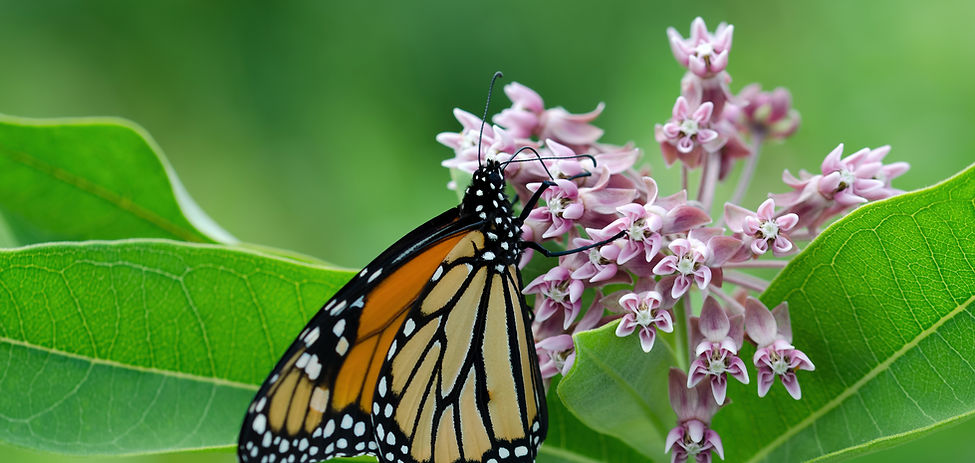
Though ongoing care is important to the health of the garden, we pause maintenance in the backyard from late summer through late fall each year to allow monarch butterflies to complete their life cycle undisturbed. Native milkweed provides food for caterpillars, while passion vine supports egg laying and chrysalis formation. Watching the monarchs return each year has become a treasured part of the children’s experience of the garden.


The front garden carries a slightly different character, balancing habitat-focused planting with a stronger emphasis on curb appeal. Complementing the Mediterranean-style home, a stately fountain anchors the entry while large planters create focal points and provide ideal growing conditions for plants that prefer fast-draining sandy soils over the site’s native clay.


